
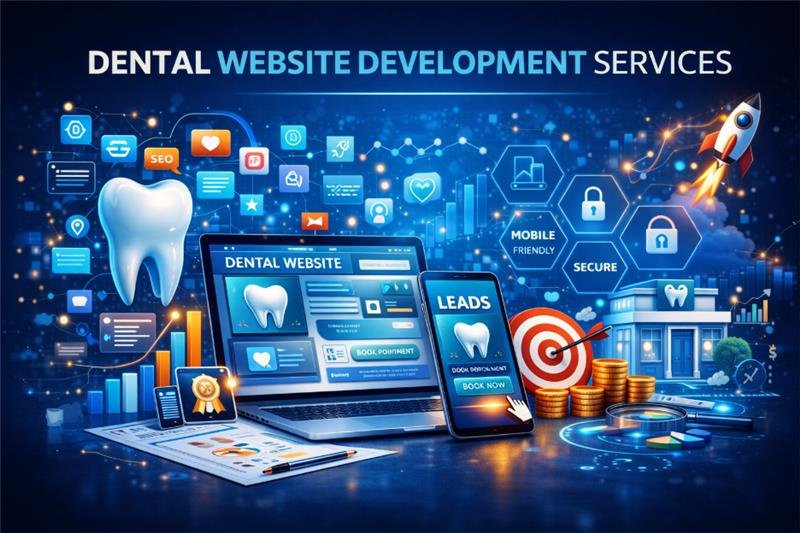
A modern dental clinic needs more than just a basic website. Today, your website acts as the digital front door of your practice. Patients often decide whether to book an appointment based on the experience they have on your site. This is why dental website development plays such an important role in practice growth.
A well-developed dental website is not only visually appealing but also fast, secure, and optimized for conversions. It should help patients quickly find services, contact the clinic, and schedule appointments.
Behind every successful dental website is a structured development process. This includes proper coding, optimized backend systems, and strong security features. Agencies like Peach Media Company specialize in building dental websites designed to attract patients and convert visitors into appointments.
In this guide, we will explain how dental website development works and what makes a dental website high performing.
Why Dental Website Development Matters for Clinics
One of the most important aspects of dental website coding is creating a strong technical foundation. Coding determines how the website functions and how efficiently it performs.
Front-end coding controls the visual elements users interact with. This includes layouts, buttons, navigation menus, and page designs.
Back-end coding manages the functionality behind the scenes. It ensures that appointment forms, databases, and website features operate smoothly.
Proper dental website coding ensures that the website is responsive, meaning it works well on mobile phones, tablets, and desktop devices.
Professional development teams like Peach Media Company focus on clean and efficient coding practices to ensure websites remain reliable and easy to maintain.
Website Speed Optimization for Dentists
Website speed plays a major role in patient experience and search engine rankings. If a website loads slowly, visitors may leave before viewing any services.
This is why website speed optimization for dentists is a key component of professional development.
Several factors influence website speed, including image size, server performance, and coding structure.
Developers improve speed by compressing images, optimizing code, and using high-performance hosting environments.
Fast-loading websites also perform better in search engines. Search engines prioritize websites that deliver a smooth user experience.
By focusing on website speed optimization for dentists, clinics can improve both patient satisfaction and online visibility.
Secure Dental Websites and Data Protection
Dental websites often collect sensitive information from patients. This may include contact details, medical inquiries, and appointment requests.
Because of this, security is a critical part of dental website development.
Secure dental websites use encryption technology to protect patient data. SSL certificates ensure information transmitted through the website remains private.
In addition, secure hosting and regular security updates protect the website from cyber threats.
For clinics serving patients in the United States, developers may also build HIPAA-ready sites. These websites follow strict privacy guidelines to protect healthcare information.
Professional agencies like Peach Media Company ensure that dental websites follow strong security practices to protect both clinics and patients.
Conversion Optimization for Dental Websites
A high-quality website should not only look good but also convert visitors into patients. This is where conversion optimization becomes important.
During dental website development, developers design the website to encourage users to take action.
This may include:
- Clear appointment booking buttons
- Easy-to-find contact information
- Patient testimonials and reviews
- Service descriptions with helpful details
These elements guide visitors toward scheduling an appointment.
Conversion-focused design helps dental clinics turn website visitors into actual patients.
Mobile Optimization for Modern Patients
Today, most patients search for dental services using their smartphones. Because of this, mobile optimization is a critical part of dental website development.
Mobile-friendly websites automatically adjust their layout for smaller screens. This makes it easier for patients to read information and navigate pages.
Important features such as call buttons and appointment forms should also work smoothly on mobile devices.
A mobile-optimized website improves both user experience and search engine rankings.
Companies like Peach Media Company prioritize mobile performance when developing dental websites.
SEO Integration in Dental Website Development
Search engine visibility is another important factor in website performance. Without proper optimization, even well-designed websites may struggle to attract visitors.
This is why SEO is often integrated into dental website development from the beginning.
SEO-friendly development includes optimized page structures, fast loading times, and keyword-focused content.
For example, service pages can target local search terms such as “cosmetic dentist near me” or “family dentist in [city].”
SEO integration helps dental websites attract organic traffic and generate patient inquiries.
Ongoing Website Maintenance and Updates
Launching a website is the only step. Continuous updates and maintenance ensure the website remains secure and effective.
Regular maintenance may include software updates, performance improvements, and content updates.
These updates help prevent technical issues and maintain strong search engine rankings.
Professional website providers like Peach Media Company often offer ongoing maintenance services to ensure dental websites continue performing well.
Conclusion
A modern dental website is much more than an online brochure. Through professional dental website development, clinics can create fast, secure, and patient-friendly websites that drive new appointments.
From dental website coding and backend for dental sites to website speed optimization for dentists, every technical element plays an important role in performance.
Security features such as secure dental websites and HIPAA-ready sites also help protect patient information and maintain trust.
By investing in a professionally developed website, dental clinics can improve their online visibility, enhance patient experience, and increase appointment bookings.
Working with experienced development teams like Peach Media Company helps clinics build high-performing websites that support long-term practice growth. If you’d like to learn more about how these solutions can help your clinic, feel free to Contact us to get started.
Frequently Asked Questions
What is dental website development?
Dental website development involves designing and building websites specifically for dental clinics, focusing on patient experience, security, and appointment conversions.
Why do dental clinics need professional websites?
Professional websites help dental clinics attract patients, provide service information, and allow easy appointment scheduling.
How important is website speed for dental clinics?
Website speed is very important because slow websites can cause visitors to leave before exploring services.
What makes a dental website secure?
Secure dental websites use SSL encryption, secure hosting environments, and regular updates to protect patient information.
Can dental websites help generate new patients?
Yes, a well-developed website with SEO and conversion optimization can attract visitors and turn them into new patients.
How long does dental website development take for a clinic?
The timeline for dental website development usually depends on the complexity of the website and the features required. A basic dental website may take around 3–4 weeks to design and develop, while more advanced sites with custom coding, appointment systems, and SEO optimization may take 6–8 weeks. Working with experienced teams such as Peach Media Company can help ensure the development process is efficient, and the final website is optimized for performance and patient conversions.