In today’s digital world, a dental clinic’s website is often the first place potential patients visit before choosing a dentist. People want to learn about dental treatments, explore clinic services, check reviews, and book appointments without unnecessary steps. This makes dental clinic website design an important part of building a successful dental practice.
A professional website does more than display your clinic’s information. It creates a positive first impression, builds patient trust, improves online visibility, and encourages visitors to contact your practice.
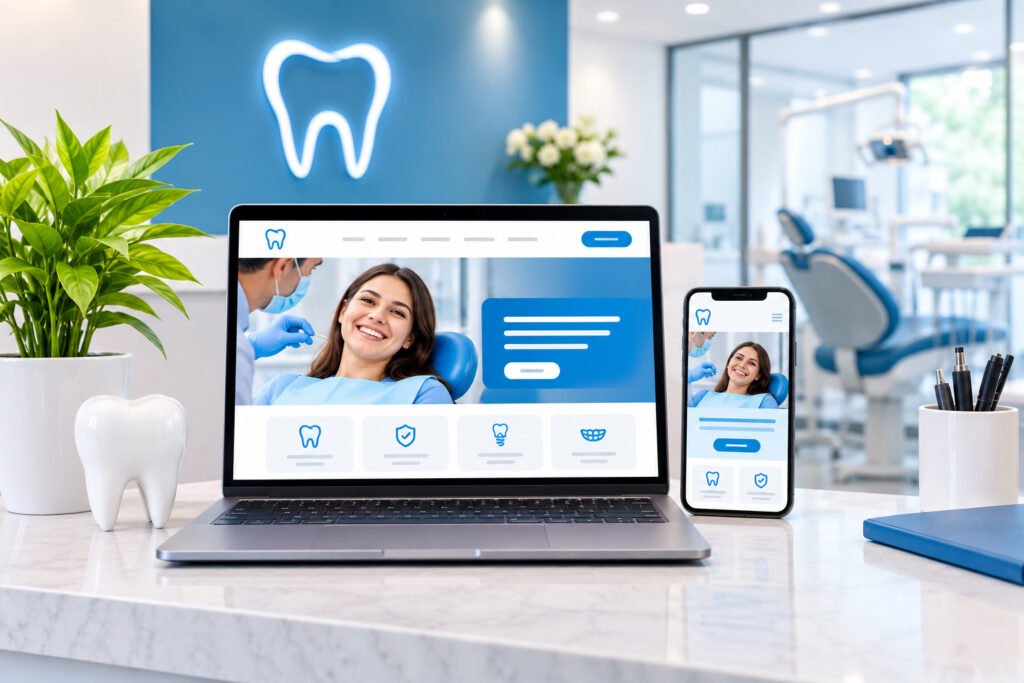
In 2026, modern dental website design is moving towards mobile-first experiences, faster loading speeds, AI-powered communication, accessible layouts, and easy appointment booking. Dental practices need websites that look professional while providing a smooth experience for every visitor.
Let’s explore the latest trends and essential features that can make your dental website more effective.
1. Why Is Dental Clinic Website Design Important in 2026?
A well-planned dental clinic website design helps patients understand your practice and find the information they need. When visitors land on your website, they should quickly understand what treatments you offer, where your clinic is located, and how they can schedule an appointment.
Here are some important benefits:
Builds credibility: A professional design creates a positive impression of your dental practice.
Improves online visibility: SEO-friendly website structures help search engines understand your pages.
Generates patient enquiries: Contact forms, phone numbers, and booking options make communication easier.
Supports patient education: Dedicated service pages explain treatments and answer common questions.
Improves accessibility: Clear navigation and readable content help more people use your website.
According to a 2026 review of 135 dental practice websites by Clikiti, only 22% clearly stated whether they were accepting new patients, highlighting an opportunity for clinics to communicate essential information more effectively.
Clikiti
2. Mobile-First Dental Website Design
Most patients expect to browse websites conveniently from their smartphones. Therefore, mobile-friendly dental website development should be a priority.
A responsive website automatically adjusts its layout to different screen sizes, including smartphones, tablets, and desktops.
Essential Mobile-Friendly Features
Simple navigation menus.
Large, easy-to-tap appointment buttons.
Click-to-call phone numbers.
Readable fonts and clear headings.
Optimized images that load quickly.
Short and user-friendly contact forms.
For example, when someone searches for a dentist on their phone, they should be able to find the clinic’s location and contact information without navigating through multiple pages.
A mobile-first approach also supports a better user experience and Google’s mobile-first indexing practices.
3. Fast Loading Speed and Website Performance
Website speed is another important element of effective dental clinic website design. Visitors may leave if a website takes too long to display its content.
Google also evaluates user experience through Core Web Vitals, which measure loading performance, responsiveness, and visual stability.
Ways to Improve Website Speed
Compress images without sacrificing quality.
Use modern image formats such as WebP.
Choose reliable website hosting.
Minimize unnecessary scripts and plugins.
Enable browser caching where appropriate.
Optimize website code and page resources.
A fast website makes it easier for patients to explore dental treatments and contact your clinic.
4. AI-Powered Features for Better Patient Experience
Artificial intelligence is becoming increasingly relevant to dental website development. AI-powered tools can help dental practices respond to common enquiries and make communication more convenient.
Some useful features include:
AI chatbots: Answer basic questions about clinic services and opening hours.
Automated appointment assistance: Help visitors find available booking options.
Lead management: Organize incoming enquiries for follow-up.
Automated reminders: Support appointment communication through connected systems.
However, AI tools should not replace professional dental advice. Websites should also protect patient information and use appropriately secured communication systems.
5. Clear Navigation and Service Pages
A successful dental practice website design makes information easy to find. Visitors should not have to search through multiple menus to understand your services.
Organize your website into clear sections, such as:
Home
About Us
Dental Services
Meet Our Dentists
Patient Reviews
Contact Us
Book an Appointment
Create Dedicated Dental Service Pages
Instead of listing every treatment on one general page, consider creating individual pages for important services.
For example:
General Dentistry
Cosmetic Dentistry
Dental Implants
Teeth Whitening
Emergency Dentistry
Root Canal Treatment
Orthodontic Treatment
Each page should explain the treatment, who may need it, what patients can expect, and how to request an appointment.
This structure helps visitors find relevant information and gives search engines clearer context about your services.
6. Build Trust with Professional Design and Authentic Content
Patients want to feel comfortable before visiting a dental clinic. Your website should communicate professionalism, transparency, and confidence.
Consider including these elements:
Professional photographs of your dental team.
Clinic interior and treatment-area images.
Dentist qualifications and experience.
Genuine patient testimonials with permission.
Clear treatment information.
Clinic address and contact details.
Avoid using too many animations, distracting pop-ups, or generic stock photographs. A clean layout with consistent branding can make your dental web design services more effective.
7. SEO, AEO, and GEO-Friendly Dental Website Development
Modern dental clinic website design should consider more than visual appearance. It should also help traditional search engines and AI-powered search platforms understand your website content.
Search Engine Optimization (SEO)
Use relevant keywords naturally in page titles, headings, URLs, image alt text, and website content.
Important practices include:
Optimize title tags and meta descriptions.
Create separate service pages.
Add relevant internal links.
Use descriptive URLs.
Implement appropriate local business structured data.
Maintain accurate clinic information.
Answer Engine Optimization (AEO)
AEO focuses on making content useful for direct answers.
To improve answer visibility:
Answer common dental questions clearly.
Use descriptive H2 and H3 headings.
Include helpful FAQs.
Write concise explanations.
Use relevant question-based headings.
Generative Engine Optimization (GEO)
GEO focuses on making information understandable and useful for generative AI search experiences.
Helpful practices include:
Publish original, informative content.
Maintain consistent business information.
Explain dental services in simple language.
Demonstrate relevant expertise.
Organize information with clear headings and context.
No SEO, AEO, or GEO technique guarantees inclusion in AI-generated answers or higher rankings.
8. Website Security and Patient Data Protection
Security is essential when a dental website collects patient enquiries or appointment information.
A professional dental website development strategy should consider:
HTTPS encryption.
Secure hosting.
Updated website software and plugins.
Spam protection for contact forms.
Restricted administrative access.
Secure handling of sensitive patient information.
For US dental practices, HIPAA requirements may apply when protected health information is collected or handled. Make sure the website’s forms, hosting, integrations, and service providers are configured appropriately.
9. Choose a Professional Dental Website Design Company
Building an effective dental website requires a combination of design, technical development, SEO, and conversion optimization.
Working with a professional dental website design company can help your practice create a website that reflects its identity and makes it easier for potential patients to take action.
At Peach Media Co.’s dental clinic website design service offers professional dental website solutions focused on mobile-friendly layouts, custom UI/UX, booking and lead capture integrations, website performance, and SEO-friendly development.
You can explore the Peach Media website to learn more about its digital marketing and website development services.
Conclusion
A modern dental website should do more than look attractive. It should provide useful information, build trust, offer convenient navigation, and make contacting your clinic simple.
From mobile-first layouts and faster loading speeds to AI-powered communication and SEO-friendly content, the right dental clinic website design can support your practice’s digital presence in 2026.
If you want to build or improve your dental website, Peach Media Co. provides website design and development solutions designed around the needs of dental practices. Investing in a well-structured website is a valuable step towards creating a stronger online presence and improving the patient experience.
Frequently Asked Questions (FAQs)
1. What makes a good dental clinic website design?
A good dental website combines professional visuals, mobile responsiveness, fast loading speed, clear navigation, informative service pages, and convenient appointment options. It should help visitors find information and contact the clinic easily.
2. Why is mobile-friendly dental website design important?
Mobile-friendly design ensures patients can access your website from smartphones and tablets. It makes browsing services, finding contact details, and requesting appointments easier while supporting a better user experience.
3. How does dental website design help attract new patients?
Professional website design helps create trust, communicate dental services, and encourage visitors to contact your practice. Combined with SEO, it can also improve your website’s visibility in relevant search results.
4. What features should a dental clinic website include?
Essential features include:
Responsive website layouts.
Individual dental service pages.
Online appointment booking or enquiry forms.
Dentist profiles and clinic information.
Patient testimonials.
SEO-friendly content.
Secure contact forms.
5. How much does dental website development cost?
The cost depends on website complexity, custom design requirements, integrations, content, and functionality. Contact a professional website development company for a project-specific estimate.
6. Can SEO and AEO improve dental website visibility?
Yes. SEO helps search engines understand and discover website content, while AEO focuses on providing clear answers to common questions. GEO helps structure useful information for generative AI search experiences. However, visibility is never guaranteed.